
Izard County Civil Docket Searches
For a public Izard County civil docket lookup, begin at Search ARCourts. Pick the participant route when you lack a case number. The form takes names, an organization, or a case description. If the clerk assigned a number, copy it exactly, punctuation and all. Arkansas civil numbers often carry a year plus a type code like CV. Guessing at the format invites errors.
Narrow the results to Izard County and the correct court when filters appear. Before trusting a match, compare the case style, party roles, judge, and filing date. District coverage is spotty. Small-claims and limited civil matters may still need a call to the District Court Clerk.
- Identify Circuit Court or District Court from the complaint, summons, notice, or case number.
- Search by exact number or the narrowest reliable participant information.
- Verify court, case type, party roles, and judge on the result.
- Read filings, future events, status, and judgment entries in date order.
- Ask the record clerk for a missing pleading or an official copy.
Izard County Civil Dockets by Court
Izard County Circuit Court serves as the general civil forum. Its civil docket carries substantial claims, domestic-relations cases, probate matters, and other work Arkansas law assigns there. Small claims and limited civil cases belong to Izard County District Court instead. Two offices split the records. The elected Circuit/County Clerk holds circuit civil, domestic, and probate files, while the separately staffed District Court Clerk keeps the lower-court civil docket and its calendar.
| Case path | Docket level | Best follow-up |
|---|---|---|
| General civil claim | Izard County Circuit Court | Circuit/County Clerk |
| Domestic or probate matter | Izard County Circuit Court division | Circuit/County Clerk, subject to access rules |
| Small claim or limited civil matter | Izard County District Court | District Court Clerk |
A city name does not create a new clerk. Melbourne remains the hub for circuit files even when a dispute arises in another Izard County town. Trust the court printed on the case paperwork.
Civil Dockets: What They Show
Think of an Izard County civil docket as a dated index, not the whole lawsuit. The header names the case, court, judge, type, and public status when that is supplied. Party fields separate plaintiff from defendant, or petitioner from respondent. Pleadings, notices, motions, and orders fill the filing register. Scheduled proceedings appear as future events. A judgment field may note the outcome. Yet the filed order alone states the exact relief and terms.
| Case style | An abbreviated caption, not a full statement of the allegations. |
|---|---|
| Filing date | The case start date, which differs from service or judgment. |
| Party roles | Plaintiff and defendant, or petitioner and respondent. |
| Filings | The dated index of pleadings, notices, motions, and orders. |
| Future events | Hearings or trial settings that can later be reset. |
| Judgment or status | An outcome entry that should be checked against the signed order. |
Some public entries carry document links. Others carry none. A missing link never proves a filing is sealed.
Izard County Civil Docket Filing Sequence
Civil cases in Izard County usually open with a complaint or petition plus a cover sheet. A summons, then a return of service, records process activity. It decides nothing about the claim. An answer or responsive motion brings the other side in. From there, motions, responses, notices, and orders build the dated record. A notice of hearing flags upcoming court work.
Complaint or Petition → Service → Response → Motions → Hearing or Trial → Judgment
Cases end in different ways. A trial or dispositive order can produce judgment. The parties may instead file an agreed order or a settlement dismissal. A claimant can take a voluntary nonsuit. If a party never responds as required, default may be entered. After judgment, expect entries such as an abstract, writ, garnishment, satisfaction, appeal notice, or appellate-record work. Every label carries its own effect. Read the signed order before trusting a short docket status. A closed administrative status is no substitute for the judgment that states what the court ordered.
What Cases Fill the Civil Docket
Several case families fill Izard County civil court dockets. Court level still governs what goes where. Circuit Court handles general civil work plus the domestic-relations and probate divisions. District Court takes small claims and civil matters within its statutory limit. A docket's case type works as a routing label. It rarely tells the full story of the claims or the case's final legal character.
- General civil complaints and petitions filed in Circuit Court
- Domestic-relations proceedings, with public access limited where law or order requires
- Probate proceedings kept through the unified Circuit/County Clerk office
- Small-claims cases filed in Izard County District Court
- Other limited civil matters assigned to District Court by law
Use the complaint caption, summons, or assigned number to pin down the forum. County Court is something else entirely. It handles county-government administrative subjects under the county judge, not general civil trials.
Izard County Civil Dockets Versus eFlex
Search ARCourts and Arkansas eFlex do different jobs. Search ARCourts is the public case-information layer, while eFlex is an account-based filing system for authorized filers, complete with training, registration, electronic submission, payment, clerk review, receipts, and filing notices. Treat eFlex as a filer's tool, not a free public library of civil pleadings. Its own materials separate a case summary from remote access to electronically filed documents. The official eFlex login shows the filing interface.
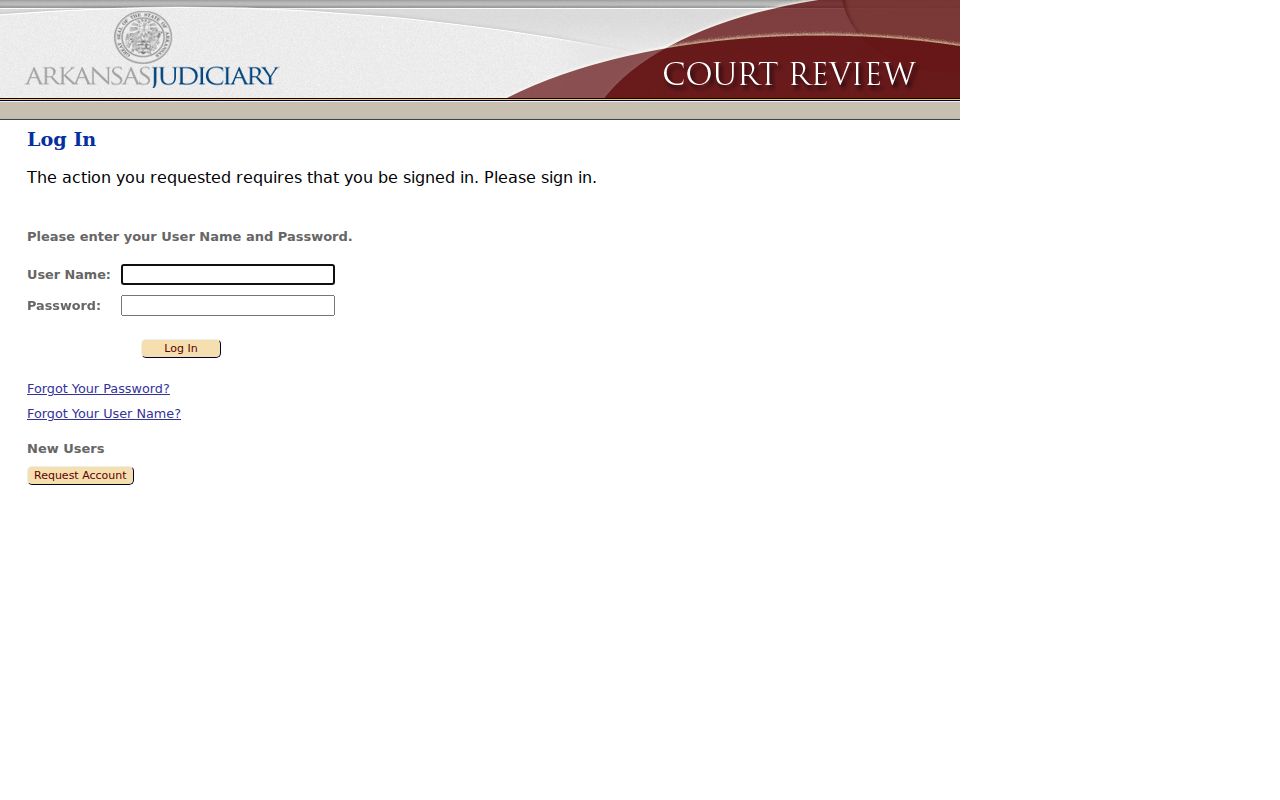
The login screen draws the line clearly: for a docket lookup, members of the public should use Search ARCourts and ask the Izard County clerk for documents. The official eFlex access FAQ explains the summary and document limits.
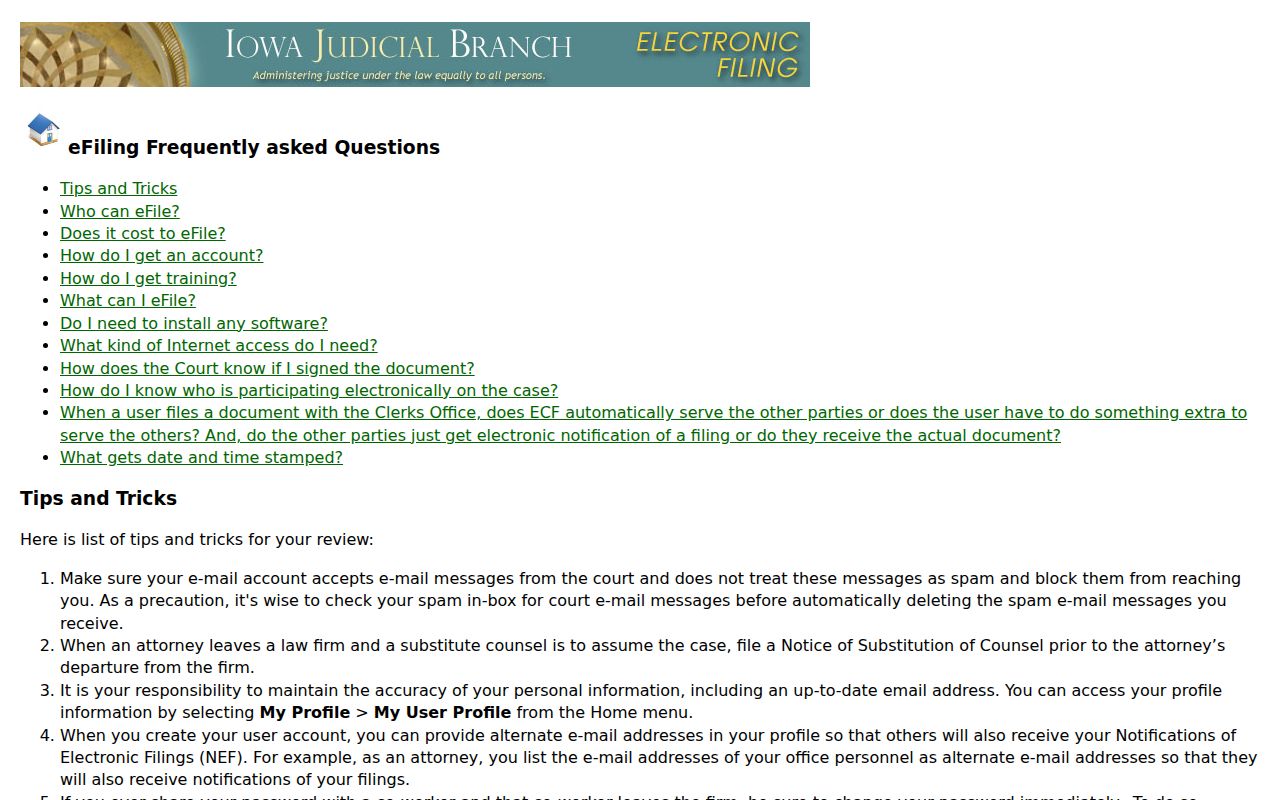
That split spares public searchers from a common dead end at a filer-only system.
Hearings on the Civil Docket
A docket entry for a future date tells you what the court has scheduled. It does not tell you what will happen. It might show a motion hearing, a status setting, a pretrial conference, a bench trial, or a jury trial. Treat it as notice only. A later order can continue or reset any of it. Older settings often stay visible in the record long after they pass. Read the filings entered after the event was first set. Then confirm with the clerk for the assigned court right before the date.
Izard County posts no independent public daily calendar for District Court. The District Court administrative plan itself says the calendar is available at the clerk's office. The county government's general calendar lists county meetings and events, not judicial settings. For Circuit cases, routing starts with the Circuit/County Clerk at 870-368-4316. A District Court small-claims setting belongs with the District Court Clerk. One more caution. A motion asking for more time does not itself move a hearing. The signed order or the current court calendar controls.
The Izard County court schedule page lays out the route for confirming a date.
Izard County Civil Docket Copy Requests
Missing a judgment link or a pleading image is common. The fix starts with the docket itself. Copy down the exact case number, the filing title, and the date. The Izard County Circuit/County Clerk takes in-person inquiries at 80 East Main Street in Melbourne. Hours are weekdays from 8:30 a.m. to 4:30 p.m. The office lists 870-368-4316 and accepts mail at P.O. Box 95, Melbourne, AR 72556. Ask two things. Is the file onsite? Does the job call for a plain copy or a certified one?
Izard County offers no online civil-copy order form. The clerk publishes no fixed copy-price table. So confirm before mailing: page count, total fee, accepted payment, delivery method, processing time, and any ID requirement. Put the court, case style, document name, filing date, return address, and a daytime contact in any written request. The clerk lists a fax number and an email link. But the office sets out no official fax, email, or drop-box order protocol. District civil and small-claims records sit with the District Court Clerk instead. Need a transcript? That request goes to the court reporter, not the record clerk.
Izard County Civil Docket Filing Status
eFlex tracks a document through the filer's own workflow. That status is not the public civil docket. A filing can pass through submission, clerk review, acceptance, and notice steps. Its public entry may not even make sense to read until then. What governs is the filed mark on the court record. Once the filing is entered, the portal's chronological register serves as the public index. The official eFlex filing-process guide documents the full submission path from sender to acceptance.
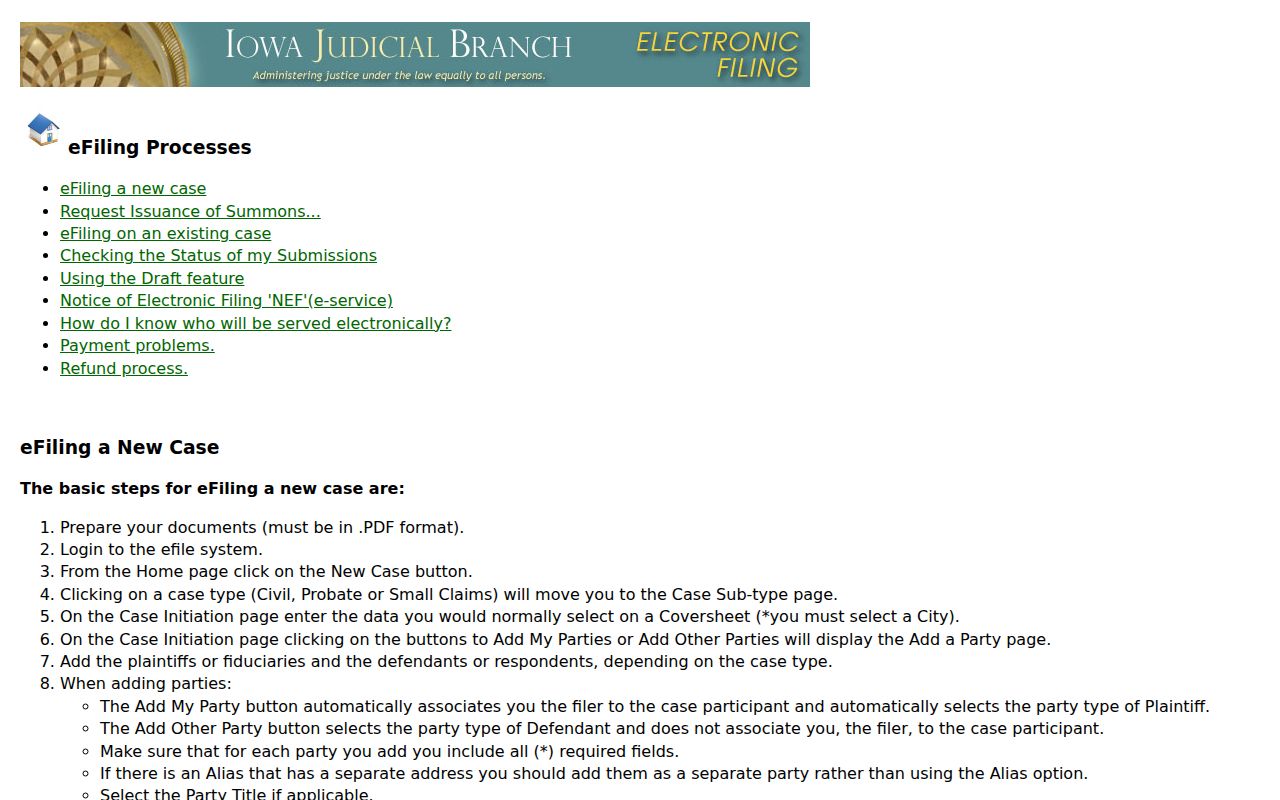
The guide's process steps make the gap plain. A document the filer sends and a filing the docket accepts are two different events.
- Filing
- A document or event accepted and entered by the clerk.
- File-mark
- The clerk's date and time evidence of acceptance.
- Future event
- A scheduled proceeding that can be changed by later court action.
- Judgment
- The court's entered adjudication, which gives more detail than a status line.
Who Can See Civil Dockets
Arkansas Supreme Court Administrative Order 19 sets the main rule for access to court records. It governs the whole state. It favors public access. At the same time, it shields material that law, rule, or court order makes confidential. Remote docket access does not promise every document image either. Domestic, juvenile, sealed, and other sensitive files can be restricted, redacted, or kept off the Internet.
Missing material: Ask whether a filing is nonpublic by rule, sealed by order, available only at the courthouse, or simply not digitized or linked.
The clerk may supply a redacted public copy when an unredacted version remains protected.
Each access channel does a different job. Search ARCourts gives free public case information. The circuit clerk can answer by phone. The clerk can also let you inspect a file at the counter and explain mail options for a civil document. The District Court Clerk keeps the limited civil and small-claims files. Some public filings link online. But historical or paper records may call for an archive check. And an Arkansas Freedom of Information Act request cannot override judicial confidentiality under Administrative Order 19.